Maintaining Sterility Quality in Barbering Facilities through Efficient Sanitization of Tools
Wiki Article
Upkeeping strong benchmarks of hygiene in hair salons is vital for safeguarding both customers and staff from possible contamination. Hair salons are environments where cutting devices and styling instruments interact with dermal layers, follicles, and occasionally minor cuts. This makes complete scrubbing and sanitation a key practice to prevent the transmission of germs, pathogens, and yeasts. By implementing regular cleaning protocols, groomers can maintain a cleaner setting, comfort patrons, and follow with regulatory regulations that control certified barber shops.
Proper disinfection of equipment originates with knowing the variation between cleaning, decontaminating, and sterilizing. Cleaning gets rid of visible residue such as hair, skin particles, and chemical traces, while disinfecting decreases the number of harmful bacteria to a controlled standard. Complete disinfection extends by removing nearly all types of microbial life, including fungal spores. Instruments such as scissors, shavers, brushes, and clippers must undergo appropriate processes to guarantee that every step satisfies cleanliness benchmarks. Employing EPA-approved disinfectants and following the manufacturer’s guidelines ensures that equipment are both secure to use and maintainable over use.
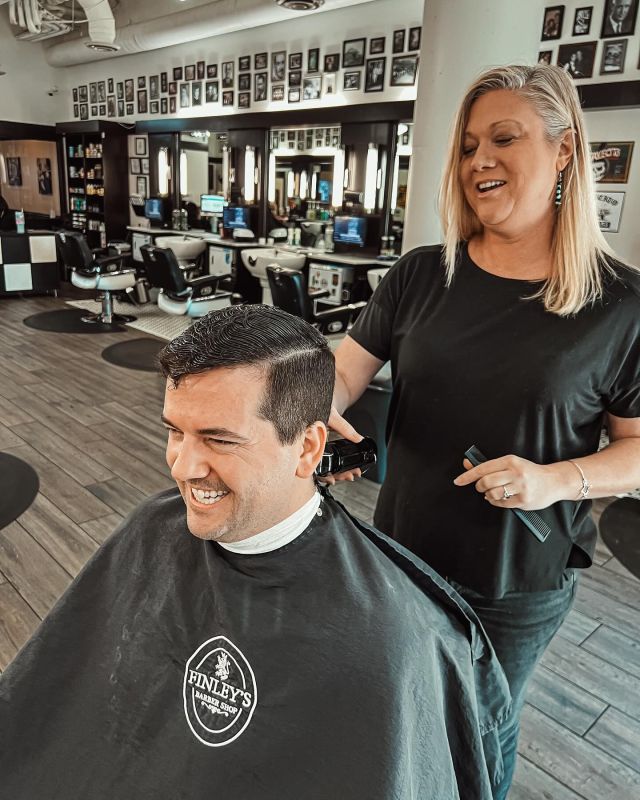
Barber Click Here shops must also consider the organized storage and placement of disinfected tools. Instruments that have been sterilized or cleaned should be maintained in a dry, controlled environment to reduce microbial Recommended Site growth. Specific storage containers, ultraviolet (UV) cabinets, or sealed containers can shield tools from airborne pathogens. Additionally, barbers should practice the process of marking disinfected tools and cycling them frequently to ensure consistent hygiene practices. A systematic method to tool management not only strengthens security but also shows quality to customers.
Educating staff on proper hygiene procedures is another vital factor in maintaining sanitation protocols. Stylists and salon employees should get training on correct hand sanitation, glove protocols, and the disinfection of high-touch surfaces such as workstations, benches, and sinks. Frequent training updates and internal audits support that hygiene practices remain uniform across the establishment. Training staff about the hazards of microbial transfer and the necessity of compliance encourages a environment of safety and professionalism within the barber shop.
Ongoing monitoring and maintenance of disinfection equipment also maintain hygiene excellence. Steam units, ultrasonic cleaners, and sanitizing solutions must be monitored for efficiency, and any defective devices should be replaced without delay. Following a formal cleaning plan and recording accurate documentation of disinfection routines also supports compliance with municipal health regulations. By integrating proper equipment sanitation, organized management, staff training, and tool upkeep, barber shops can achieve a professional, organized space wikipedia reference that prioritizes the safety of all customers.